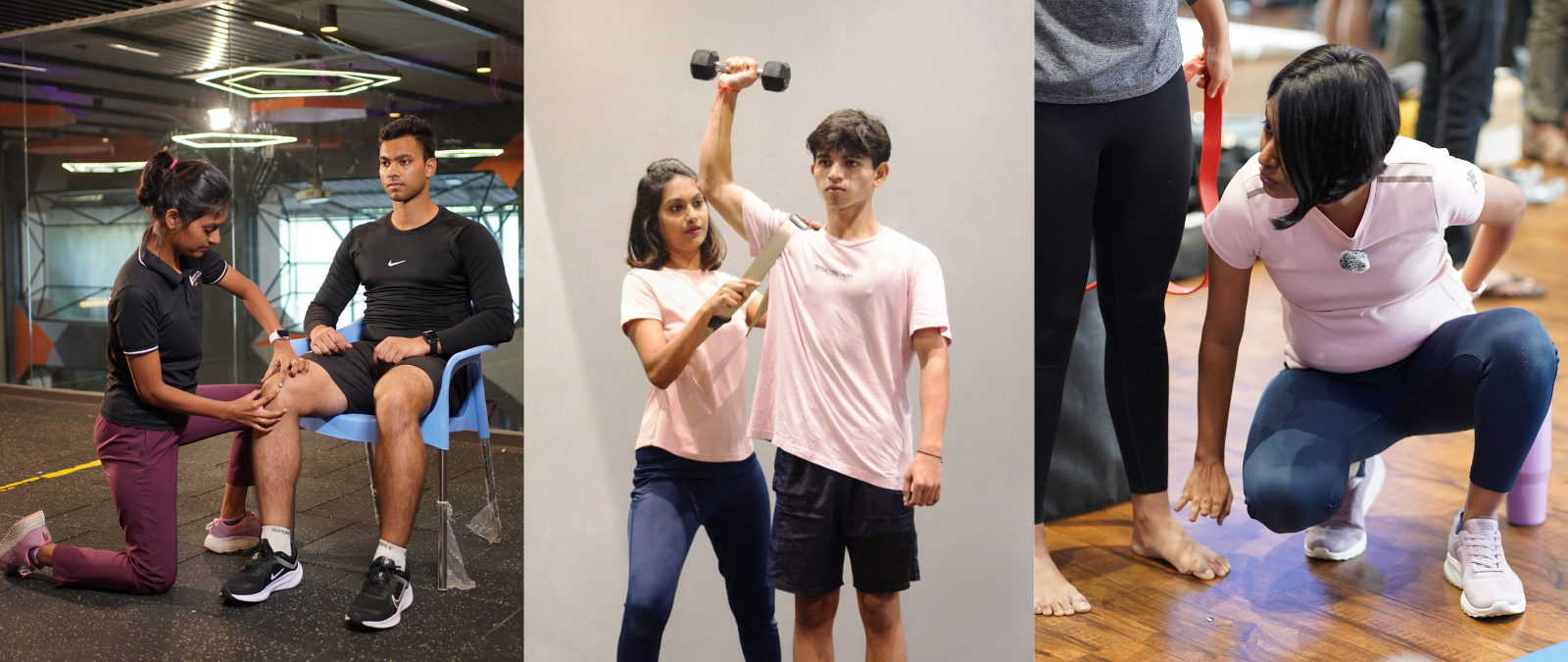
We help individuals unlock their peak performance through evidence-based strength & conditioning, physiotherapy, and athlete-focused training. Our approach combines expert insight with practical, results-driven methods to enhance movement, prevent injuries, and support long-term physical excellence.
One of the most common mistakes athletes make is returning to training or competition too soon. Pain reduction does not equal full recovery. Without adequate strength, mobility, and tissue readiness, the risk of reinjury increases significantly. A structured rehabilitation timeline ensures the body is prepared for performance demands.
Ignoring the Root Cause
Many athletes focus only on the injured area while ignoring underlying issues such as muscle imbalances, poor movement mechanics, or training overload. Rehabilitation must address these contributing factors to prevent recurring injuries and long-term setbacks.
Skipping Strength and Conditioning
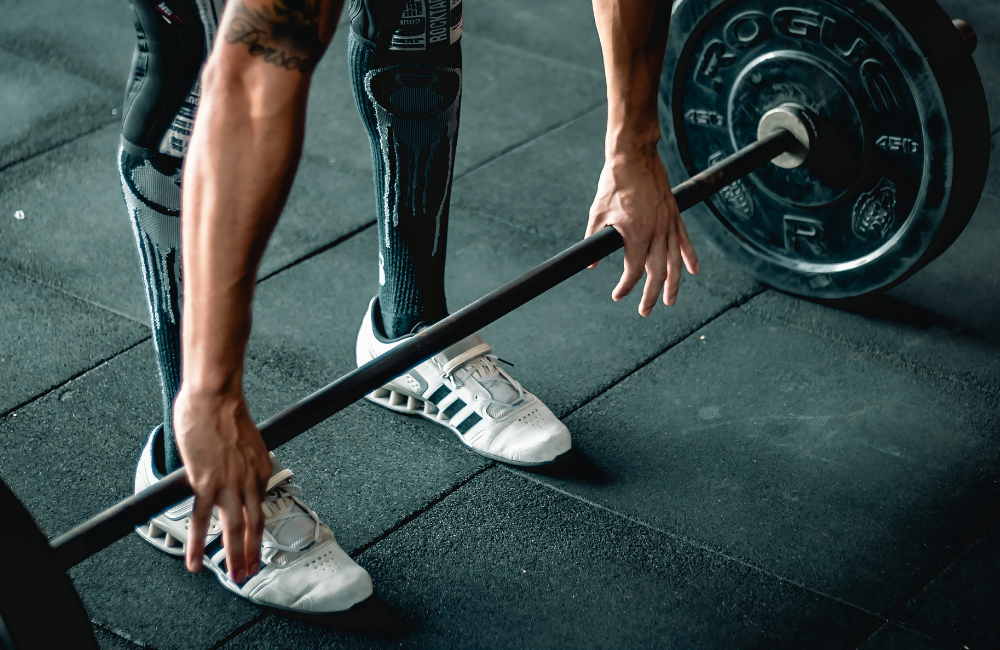
Rehabilitation should not stop at basic mobility or pain relief. Athletes who avoid progressive strength training often return weaker than before. Strength and conditioning are essential to rebuild tissue capacity, improve joint stability, and restore performance.
Over-Reliance on Passive Treatments
While treatments such as massage or modalities may provide short-term relief, relying solely on passive therapy delays long-term recovery. Active rehabilitation through movement, strength training, and controlled loading is crucial for sustainable results.
Inconsistent Rehabilitation Efforts
Lack of consistency in rehab sessions or home programs can slow recovery and lead to incomplete healing. Structured programs with regular progression and reassessment ensure steady improvement and long-term success.
Conclusion: Smarter Recovery Leads to Better Performance
Avoiding these common mistakes allows athletes to recover fully and return stronger. A well-planned rehabilitation program focused on performance, consistency, and long-term resilience is essential for safe and successful recovery.