



Written by
sutratechsolutions
December 22, 2025
Injuries Develop Over Time
Most sports injuries are not sudden events but the result of repeated stress, poor movement patterns, and inadequate recovery. Pain often appears only after significant tissue overload has already occurred. Preventive training addresses problems before they become injuries.
Importance of Movement Screening
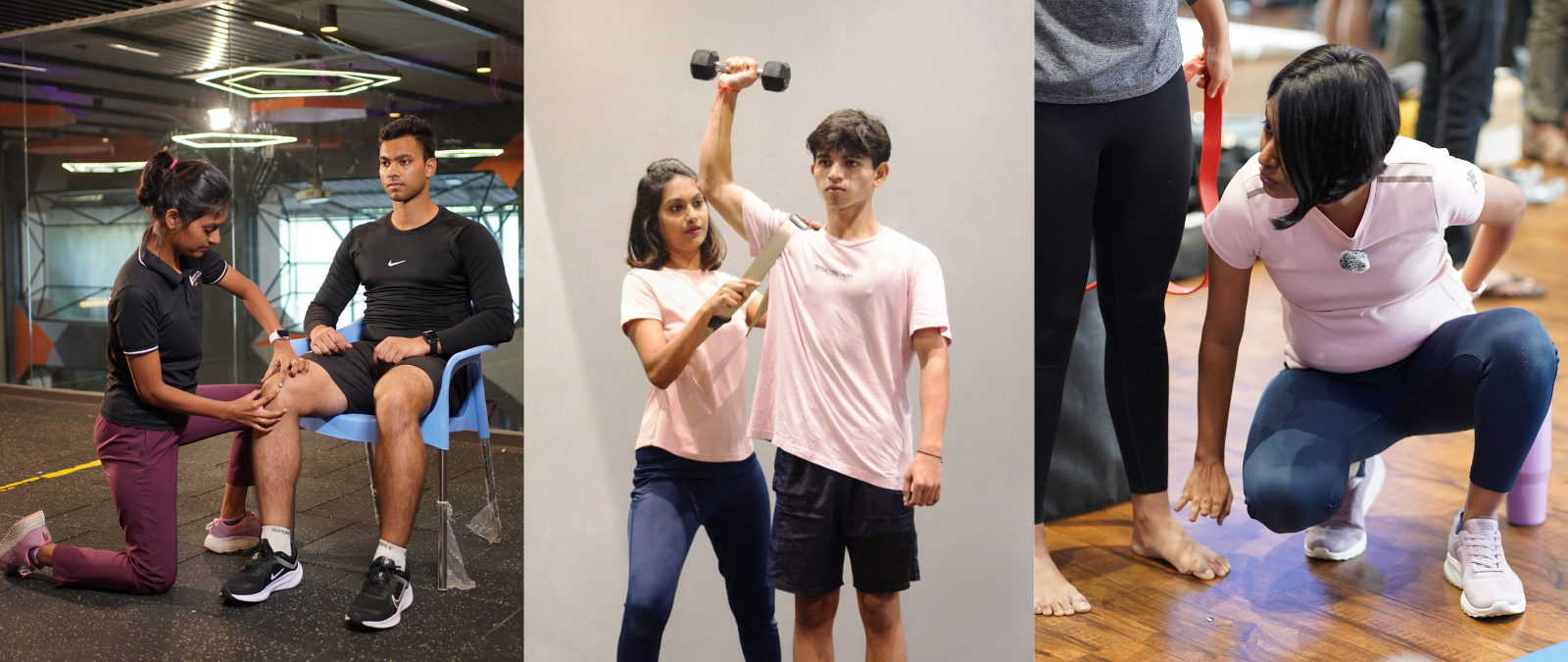
Early assessment of posture, mobility, and movement patterns plays a critical role in injury prevention. Movement screening helps identify hidden weaknesses, muscular imbalances, and faulty mechanics that may not yet cause pain but increase injury risk over time. By addressing these limitations early, unnecessary stress on joints and soft tissues is reduced. This proactive approach creates a strong foundation for safe training and long-term athletic development.

Strength and Conditioning as Prevention
- Proper strength and conditioning programs enhance joint stability, muscular balance, and overall load tolerance. A well-conditioned body is better equipped to absorb impact, generate force efficiently, and maintain control during high-intensity movements. Strength training also improves neuromuscular coordination, which is essential for injury prevention. When athletes are physically prepared, their risk of breakdown under sport-specific demands is significantly reduced.
Managing Training Load
- One of the leading causes of sports injuries is sudden or poorly managed increases in training intensity, volume, or frequency. Preventive programs emphasize structured progression, allowing the body time to adapt to increasing demands. Adequate recovery periods are built into the training plan to support tissue repair and regeneration. Proper load management ensures consistent performance while minimizing the risk of overuse injuries.

Role of Recovery and Mobility
Recovery and mobility are essential components of any injury prevention strategy. Mobility exercises, flexibility training, and adequate rest help maintain joint health and muscle function. These practices reduce stiffness, improve movement quality, and support long-term tissue health. Consistent recovery strategies allow athletes to train harder while remaining resilient and injury-free.
Conclusion: Prevention Is Performance Protection
Injury prevention should begin long before pain or discomfort appears. A proactive training approach keeps athletes healthy, consistent, and competitive throughout their careers. By prioritizing movement quality, strength, recovery, and sport-specific preparation, athletes not only reduce injury risk but also enhance overall performance and longevity.